What Is an AC Disconnect?
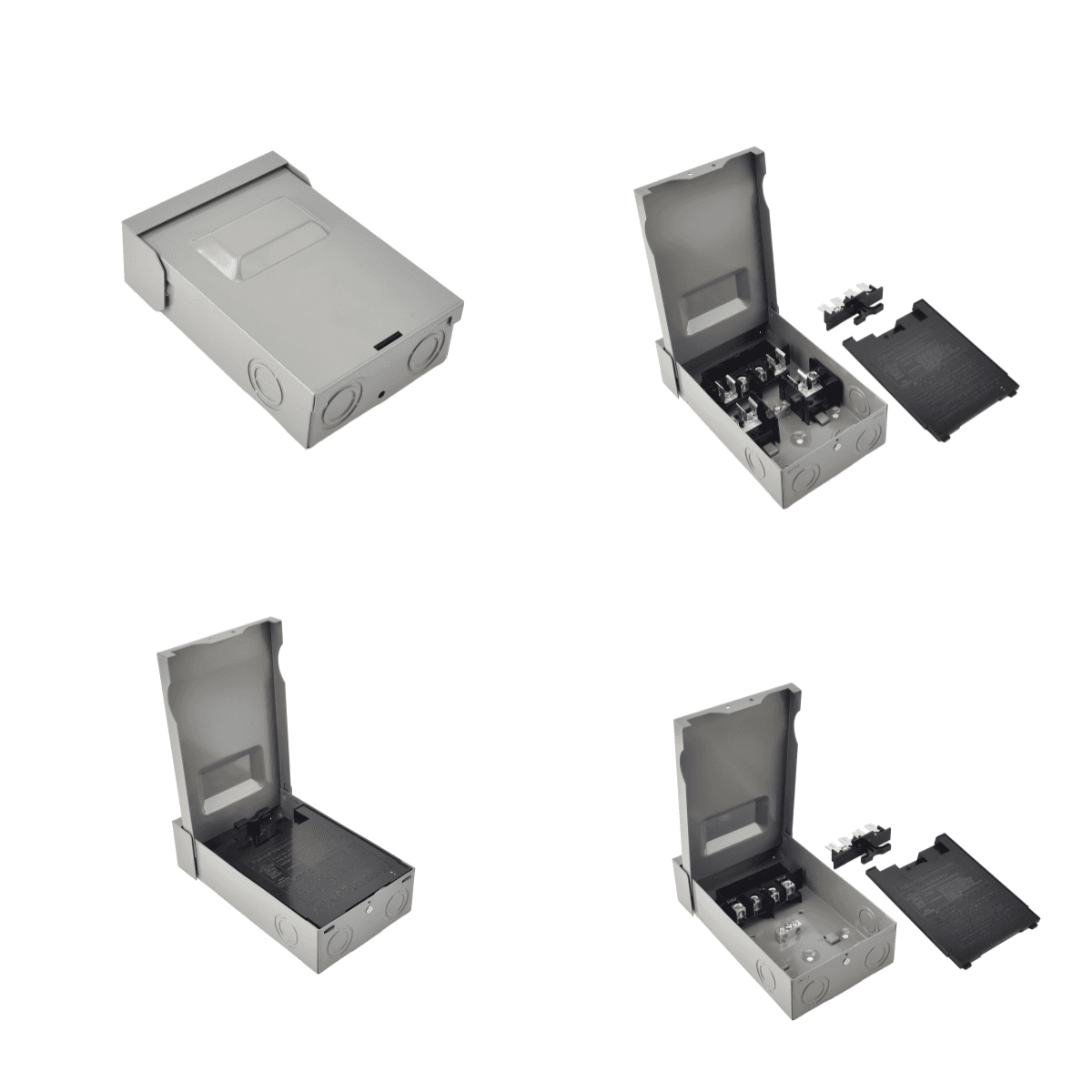
An AC Disconnect, also called an Air Conditioner Disconnect or HVAC Disconnect, is an electrical device used to disconnect power from an outdoor air conditioning unit. It is normally installed between the building's electrical supply and the outdoor condenser. When a technician needs to service the condenser, the disconnect provides a nearby method to isolate the equipment from power.
In simple terms, the AC Disconnect Switch acts as a local shutoff point. It does not replace the main electrical panel or breaker. Instead, it gives service personnel a clear and accessible way to disconnect power at the equipment location.
A common residential style is the Pull Out Disconnect. This type uses a removable pull-out handle or insert. When the insert is in the ON position, power can flow to the condenser. When the insert is pulled out or reversed into the OFF position, the circuit is opened and power is disconnected from the equipment.
The main purpose is safety. Outdoor condensers contain electrical components, fan motors, compressors, capacitors, and wiring connections. Before a technician opens the unit or performs service, power must be controlled. Because AC disconnects are commonly installed outdoors, they are usually housed in weather-resistant enclosures designed to protect internal electrical parts from normal outdoor exposure.
Why Is an AC Disconnect Required?
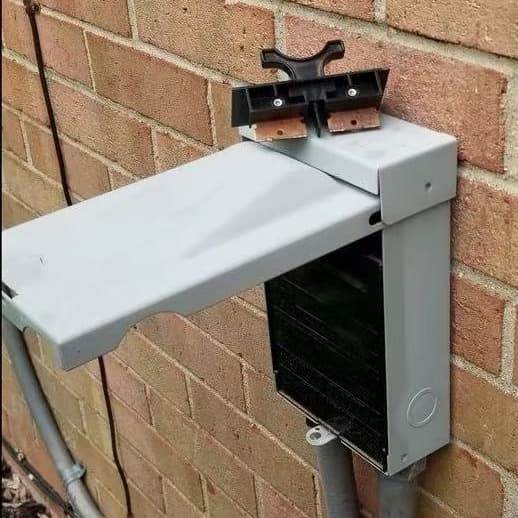
An AC Disconnect is commonly required because HVAC equipment must be serviceable in a safe and practical way. When an outdoor condenser needs maintenance, the technician should not have to rely only on a breaker located far away inside the building. A disconnect next to the equipment gives the service person direct control over the power supply.
The most important reason is safety during maintenance. HVAC technicians may need to remove access panels, test components, replace parts, clean the unit, or inspect wiring. If the equipment remains energized, there is a risk of electric shock, unexpected motor operation, or equipment damage.
A disconnect also provides an emergency shutoff capability. If there is a visible issue at the outdoor unit, such as abnormal operation or damaged wiring, the disconnect provides a local point where power can be turned off quickly.
In the United States, installations are generally influenced by the National Electrical Code, local building rules, utility requirements, and inspection practices. The NEC includes requirements for disconnecting means for equipment, but exact requirements can depend on the installation, equipment type, local interpretation, and the authority having jurisdiction. This article is a general educational overview and should not be treated as legal or code advice.
Disconnects are commonly installed next to outdoor AC units because the location supports practical service access. A visible disconnect also helps technicians confirm that the correct equipment has been isolated before they begin work.
Types of AC Disconnects
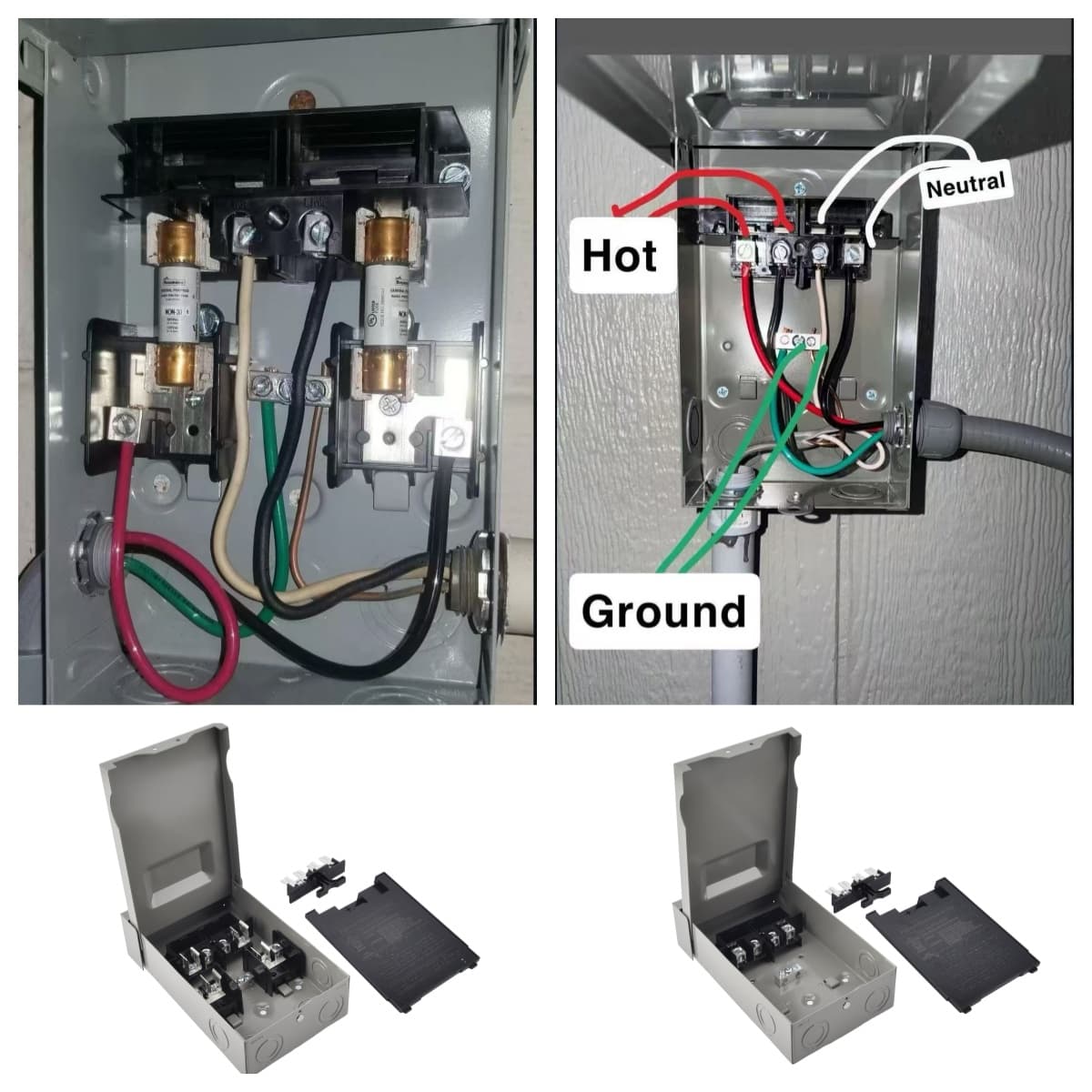
AC disconnects are available in several configurations, but two common categories are Non-Fused AC Disconnect and Fused AC Disconnect. The correct choice depends on equipment requirements, upstream protection, local electrical practice, and project specifications.
Non-Fused AC Disconnect
A Non-Fused AC Disconnect does not contain fuses inside the disconnect enclosure. Its main function is to open or close the circuit locally. Overcurrent protection is provided upstream, usually by a circuit breaker in the main electrical panel or subpanel.
This is a common option for residential air conditioning systems when the breaker and wiring are properly selected for the equipment. A non-fused design is often simpler, with fewer replaceable internal parts, while still providing the local service shutoff function.
Fused AC Disconnect
A Fused AC Disconnect includes fuse holders and fuses inside the enclosure. In addition to providing a local disconnecting means, it can also provide additional overcurrent protection based on the installed fuses.
Fused disconnects are often used when equipment specifications call for fuse protection, when project requirements require it, or in commercial and certain residential applications. The fuses must be selected correctly according to the equipment nameplate, wiring, and applicable electrical requirements.
| Feature | Non-Fused | Fused |
|---|---|---|
| Main function | Local power disconnect | Local power disconnect plus fuse protection |
| Overcurrent protection | Provided by upstream breaker | Provided by installed fuses and/or upstream protection |
| Common use | Many residential AC installations | Commercial, specified residential, and equipment-required applications |
| Internal components | Simpler internal design | Includes fuse holders and fuses |
| Service consideration | Fewer internal replacement parts | Fuses may need inspection or replacement |
Where Should an AC Disconnect Be Installed?
Typical AC disconnect installations place the disconnect between the electrical panel and the outdoor condenser unit. The simplified diagram below illustrates the general relationship.
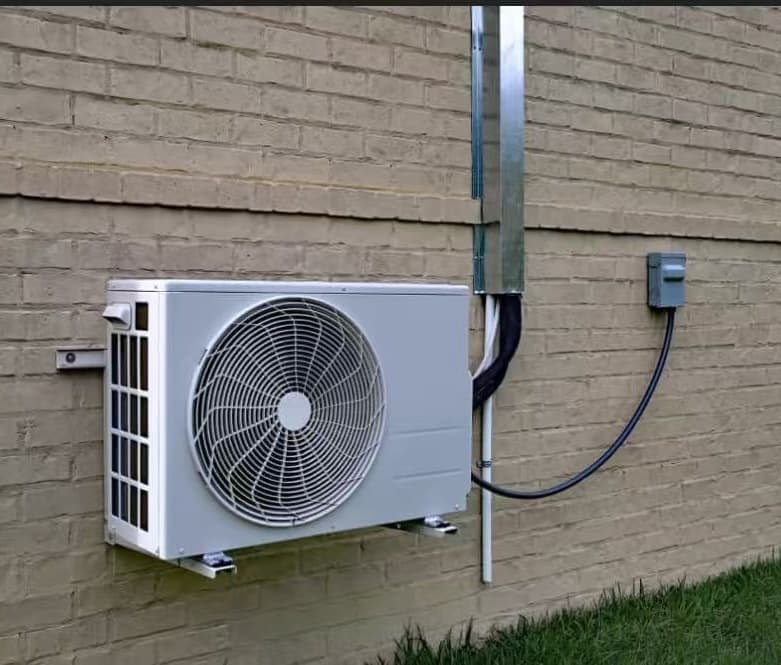
An AC Disconnect is typically installed outdoors near the condenser unit. The exact placement should be determined by a qualified electrician or HVAC professional based on the equipment location, electrical layout, local code requirements, and inspection expectations.
In general industry practice, the disconnect should be accessible to the person servicing the equipment. It should not be hidden behind the unit, blocked by landscaping, covered by stored items, or placed where it is difficult to reach. Accessibility matters because the disconnect is intended to support safe service work.
Visibility is also important. A technician should be able to identify the disconnect associated with the condenser. In many installations, the disconnect box is mounted on the exterior wall near the outdoor unit, high enough to avoid common ground-level exposure but positioned so it can be operated without difficulty.
Outdoor installation also requires attention to environmental protection. The enclosure should be suitable for outdoor use, properly mounted, and installed with compatible fittings and wiring methods. Because installation requirements can vary by location, always follow local electrical rules, equipment manufacturer instructions, and the direction of licensed professionals.
Frequently Asked Questions
Is an AC disconnect the same as a breaker?
No. A breaker usually provides overcurrent protection and is located in an electrical panel. An AC Disconnect provides a local shutoff point near the outdoor condenser. Some fused disconnects also include fuse protection, but the disconnect and breaker are still different parts of the electrical system.
Do all air conditioners need a disconnect?
Most central air conditioning systems require a disconnecting means near the outdoor unit for service and safety. The exact requirement depends on local code, equipment type, and installation conditions. A licensed electrician or HVAC contractor should confirm what is required for a specific project.
What is the difference between a fused and non-fused disconnect?
A Non-Fused AC Disconnect provides local shutoff only, while a Fused AC Disconnect includes fuses that can provide additional overcurrent protection. The correct type depends on the equipment nameplate, upstream protection, and project requirements.
Can I install an AC disconnect myself?
AC disconnect installation involves electrical wiring and should be handled by a qualified electrician or properly licensed professional. Incorrect installation can create shock hazards, equipment damage, fire risk, or inspection issues.
How close should an AC disconnect be to the outdoor unit?
The disconnect is commonly installed near the outdoor condenser in a location that is accessible and visible for service. Exact placement should follow local requirements, equipment instructions, and professional installation judgment.
Conclusion
An AC Disconnect is a practical safety device used to isolate power from an outdoor air conditioning condenser. It gives HVAC technicians and electricians a local shutoff point for maintenance, inspection, troubleshooting, and emergency service.
The two common options, Non-Fused AC Disconnect and Fused AC Disconnect, serve similar disconnecting purposes but differ in whether fuse protection is included inside the enclosure. Non-fused models are common in many residential installations, while fused models are used where equipment specifications or project requirements call for fuse protection.
Proper product selection and installation matter. The disconnect should be accessible, visible, suitable for outdoor conditions, and installed according to applicable electrical requirements. For homeowners, contractors, distributors, and facility managers, understanding the role of an AC Disconnect Switch helps support safer HVAC service and better-informed electrical decisions.